
ANIMAL-FRIENDLY TOURISM
Be an animal-friendly tourist by ensuring your actions don’t contribute to animal cruelty
Trust your instincts
If you feel uncomfortable with what you see, don’t participate. Chances are if it doesn’t feel right, it isn’t!
How can I be an animal-friendly tourist?
Choose ethical, eco-friendly activities that support local communities and people. Check with local animal welfare organizations for their recommendations, and prior to participating in any wildlife experience or animal interaction, do your research and don’t be afraid to ask questions.
Only attend animal shows, performances, or other entertainment options where animals are presented doing natural and species-appropriate behaviors. These should not disrupt their normal activity patterns (e.g., nocturnal species performing during the day), and they should allow freedom of movement and interaction with members of their own species.
Lend your support to experiences where you can view wild animals in settings that promote wellbeing and engagement with the environment allowing you to see natural behaviors from a respectful distance.

What should I avoid?
-
Selfies with animals – Think before the photo – Was the animal removed from its home enclosure for the photo? How is the animal handled during the photo opportunity?
-
Animal interactions – What types? – Can you touch, pet, or hug a wild animal? If yes, avoid! ‘Handleable’ were removed from their mothers at a young age and this does not guarantee your safety – wild animals are unpredictable and can lash out.
-
Riding animals – Do you really want to ride? Most animals giving rides are trained with abusive methods and denied adequate rest, especially during busy seasons. Ride animals suffer physically and psychologically.
-
Animal souvenirs – Trinket or tragedy? Think before you buy anything made from animal products. Products may come from protected species and habitats, and the acquisition process harms individual animals and disrupts conservation efforts.
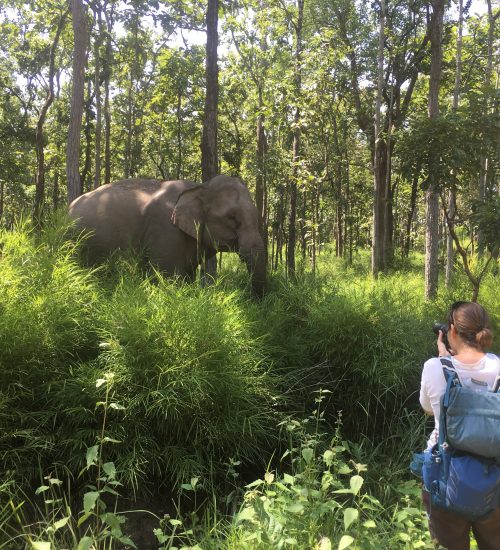
ONLY take part in encounters where animals get to be animals!
Don’t participate in wild animal interactions that appear to disrupt natural behaviors. Animals should be able to choose to engage in an encounter which includes leaving at will. To accommodate activities such as riding and selfies, many animals are forcibly removed from their mothers as infants with the bespoke purpose of making them ‘handleable’ for human interactions. Your safety may be at risk – wild animals are unpredictable and when frightened or frustrated, can lash out.
Training methodologies used to prepare animals for performances and encounters are often cruel and harsh. Wild animals used for riding are trained with heavy-handed, aversive methods, and typically aren’t given adequate rest, especially during busy seasons. Ride animals suffer physically and psychologically from ill-fitted equipment, abusive training methods, and feel frustration because they cannot behave naturally and as they choose. Question how domestic animals such as horses and camels are cared for too.
Many wild animal facilities around the world offer animal-visitor interactions, and while some provide an experience that protects animal welfare, many do not. We know it’s not always easy to tell if the experience is a good for the animal or not, so if you are at all unsure, don’t participate.
The Association of Zoos and Aquariums (USA) recognizes that non-human primates are not appropriate as ambassador animals per its Policy Restricting the Use of Non-Human Primates as Ambassador Animals, approved September 2024. This policy clarifies this stance and you can read more by following the link below.
ONLY attend animal-friendly presentations
Many animal facilities, such as zoos, aquariums, and safari parks, offer presentations and performances that showcase wild animals. To assure these animals can thrive while fulfilling their roles, it is vital that they have a choice to participate or not, and that their participation does not interrupt normal, species-appropriate activity patterns. Animals should not be made to do behaviors that cause physical harm or injury, and additionally must not be trained with harsh or aversive methods that cause psychological damage and suffering. Each individual ambassador animal’s “home enclosure”, where they spend the majority of their time, must facilitate and promote normal behaviors such as locomotion, foraging, resting, and socializing, and provide environmental choices for thermoregulation and self-maintenance. We know it can be difficult to tell if the experience protects animal welfare or not – therefore, if you are unsure, don’t attend!


Support good animal sanctuaries – Know the difference between a real and a pseudo-sanctuary
Like zoos, not all wildlife and animal sanctuaries are the same; there exist many facilities that call themselves a ‘sanctuary’ but in reality, they may not be more than a hoarder’s collection, a roadside zoo, or a front for assorted animal-use operations. Many reasons for the existence of these facilities can be found; they range from well-intended people wanting to help animals (i.e., start with a few ‘rescues’ and build to a large, diverse collection), yet they lack necessary expertise and resources to provide for animal wellbeing, to the most egregious operations that claim to be a ‘sanctuary’ while knowingly failing to embody the meaning and spirit of a true sanctuary. These pseudo-sanctuaries may breed and exploit animals, selling them for hunting, into the pet trade, and for use in entertainment.
Support sanctuaries with high animal welfare standards – research and check up-to-date reviews; determine if they are members of the Global Federation of Animal Sanctuaries and check with travel companies who have animal welfare policies. Good sanctuaries offer a lifetime of care for their residents, have necessary resources and expertise, provide for animals’ nutritional requirements, and behavioral needs are met with safe and secure refuge in enclosures designed for the unique animal residents. True sanctuaries do not encourage breeding nor do they allow direct interactions between animals and visitors.
Be a responsible sustainable Palm Oil User
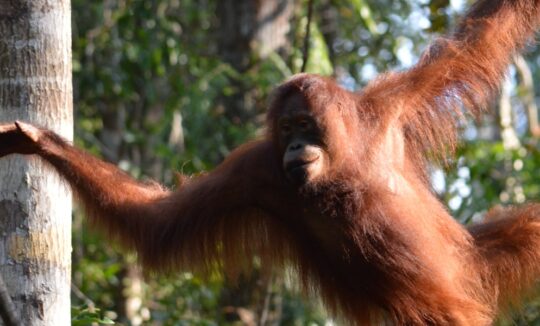
Palm oil is in hundreds of the products we use every day, from food items to toiletries. Rainforests in Southeast Asia – home to tigers, elephants, orangutans, and thousands of other wild animals – are being cleared at an alarming rate, often illegally, to develop palm oil plantations.
Check your products for sustainable palm oil. Learn more about sustainable palm oil HERE, get the PalmOil Scan Mobile App HERE to help make good choices while shopping, and learn more about it’s impact and get involved at Cheyenne Mountan Zoo’s Orangutan and Palm Oil initiative.
Report wildlife trafficking
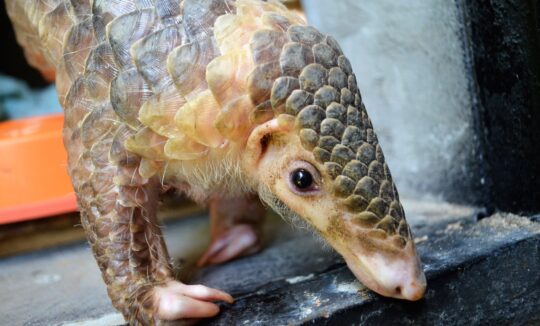
The illegal trade in wildlife is an international crisis, responsible for the loss and persecution of thousands of wild animal species globally. Beautiful and unique animals including pangolins, slow lorises, parrots and many others are caught from the wild to be sold and traded illegally, and are either kept alive to be sold, or killed and their parts sold. This is devastating wild populations. The Wildlife Witness smartphone app enables you to report wildlife trade and make your own contribution to worldwide efforts to fight wildlife crime and trafficking.
Do not buy products made from animals
Avoid purchasing souvenir products made from animal part such as shells, animal teeth, skins or bones, or whole, preserved animals such as seahorses, snakes or scorpions. Some of the most commonly sold products are made from protected species and include ivory, tortoise shell, reptile skins, fur, and coral and seashells.
The trade in wild animals and wild animal products not only causes harm and death to the individual animals but also damages natural habitats and undermines conservation efforts. Of course purchasing souvenirs can help support local communities, but be a wise shopper and only purchase souvenirs that are not made from animal products. Only by reducing the demand for animal product souvenirs like these will wild animals and their wild environment be preserved now and in the future.
